Spanish Cedar Lumber
Servicing Global & Local Customers
Freight Shipping or On-Site Pickup Available
Family Owned Since 1947
Wholesale & Retail Exotic Lumber Sales
Request Quote
Hero Request Form
Thank you for contacting us.
We will get back to you as soon as possible.
Please try again later.
Spanish Cedar (Cedrela odorata)
Spanish Cedar
(Cedrela odorata)
Newman Lumber Company

Spanish Cedar (Cedrela odorata)
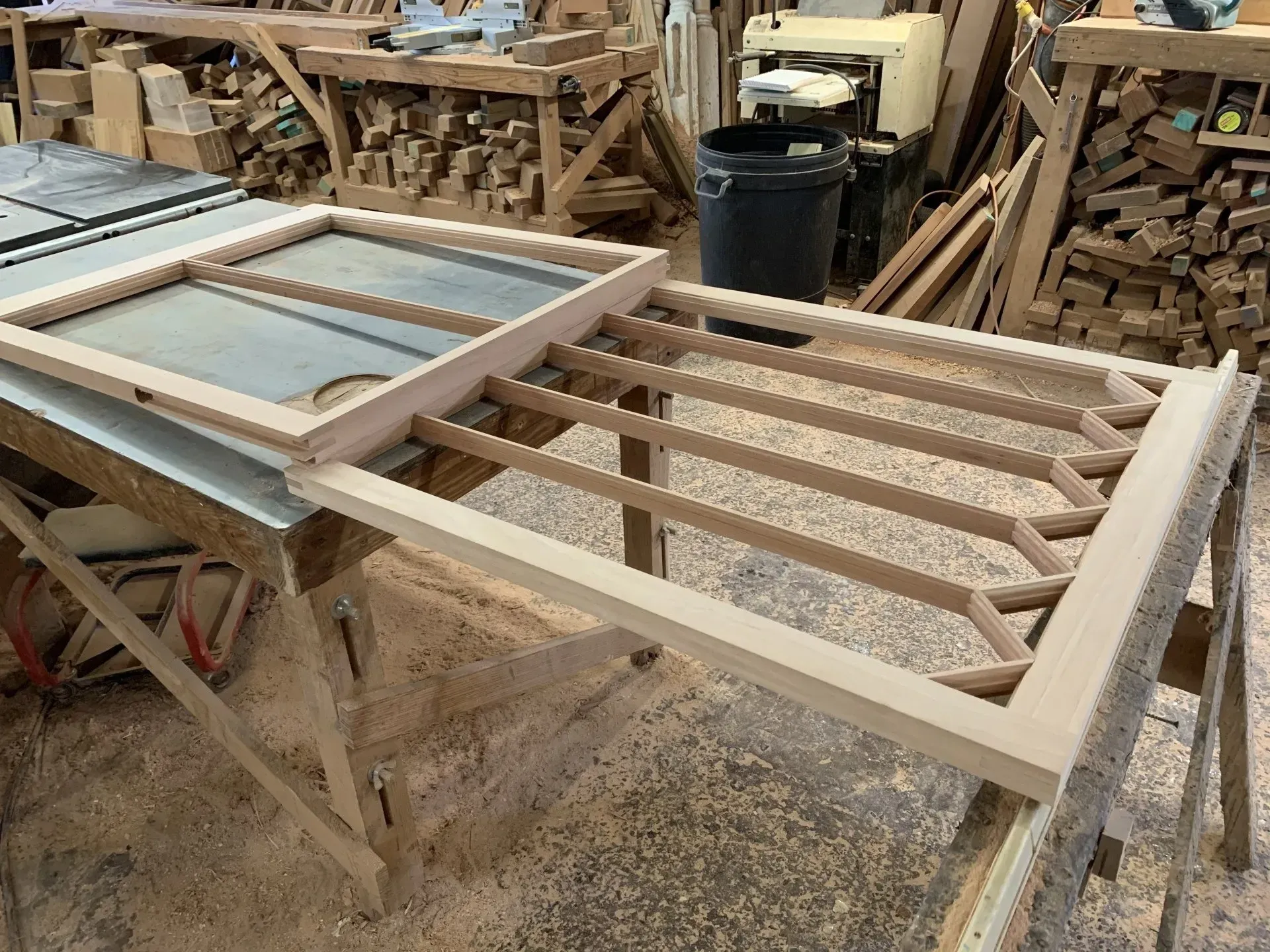
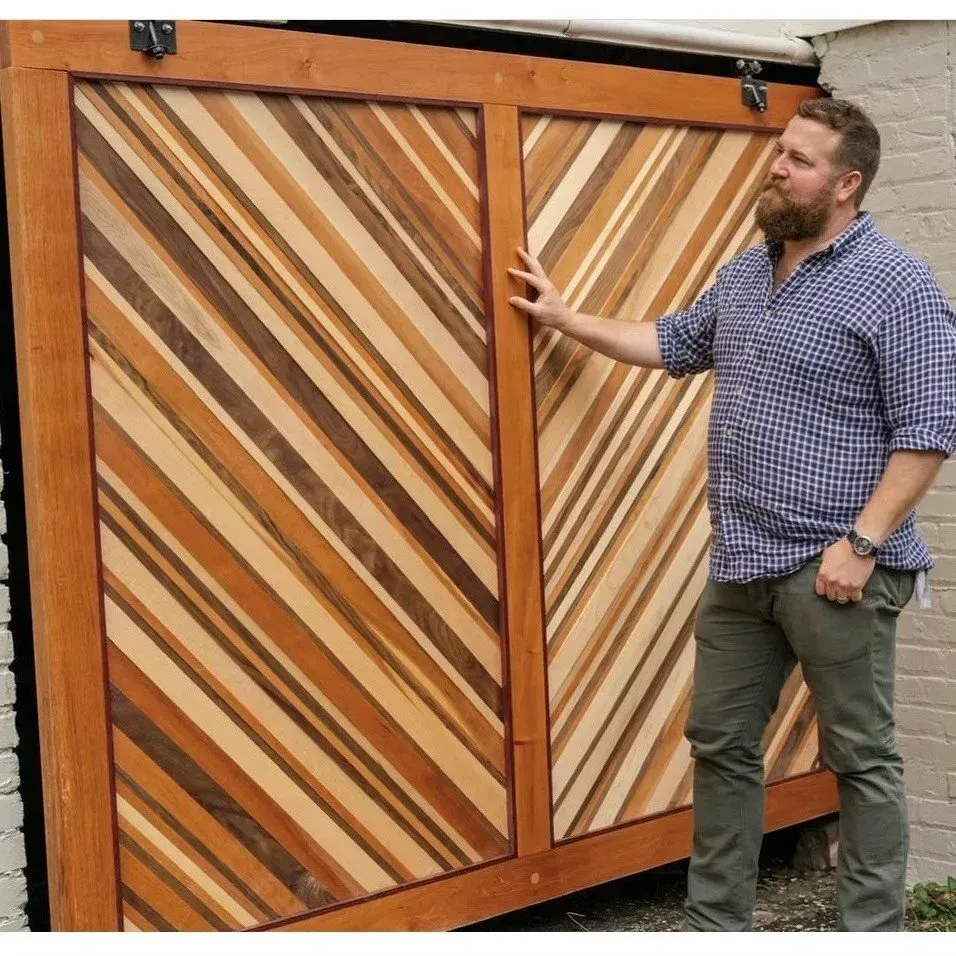
A popular wood for a variety of luxury applications, Spanish Cedar has been effectively used for millwork, cabinetry, fine furniture, musical instruments, boat-building, cigar wrappers and humidors, patterns, sliced and rotary-cut veneer, decorative and utility plywood. Consistently durable, Spanish Cedar is also used for general outdoor and construction work, paneling and veneer wood.
- Family: Meliaceae
- Other Common Names: Cedro, Acajou rouge, Cedre rouge, Cedar.
- Uses: Wood is favored for millwork, cabinets, fine furniture, musical instruments boat building, patterns, sliced and rotary-cut veneer, decorative and utility plywoods, cigar wrappers, and cigar boxes. Volatile oils may restrict use for some applications (e.g., clock cases).
- Thicknesses: Available in 4/4, 5/4, 6/4, 8/4, 10/4, 12/4, and 16/4 Air-Dried and Kiln-Dried.
- Grades: F1F and Better, Quarter Sawn, #1 Common and Better, #2 Common and Better, Select and Better, FAS, FAS and Better.
- Distribution: Spanish Cedar occurs from Mexico to Argentina and is found in all countries except Chile. Trees make their best growth on rich, well-drained humid sites but may also compete favorably on drier hillsides; intolerant of water-logged locations.
- The Tree: Under favorable conditions will reach heights over 100 ft and diameters 3 to 6 ft above the substantial buttresses. Straight cylindrical boles clear for 40 to 60 ft.
The Wood
- General Characteristics: Heartwood pinkish to reddish brown when freshly cut, becoming red or dark reddish brown, sometimes with a purplish tinge, after exposure; sharply to rather poorly demarcated from the pinkish to white sapwood. Grain usually straight, sometime interlocked; texture rather fine and uniform to coarse and uneven; luster medium to high and golden; distinctive cedary odor usually pronounced, some specimens with bitter taste.
- Weight: Basic specific gravity (oven-dry weight/green volume) very variable ranging from 0.30 to 0.60, averaging about 0.40; air-dry density ranges from 23 to 47 pcf, averaging about 30 pcf.
- Mechanical Properties: (First set of data based on 2-in. standard; second set 2-cm standard.) Janka side hardness about 550 lb for green material and 600 lb for air-dry. Forest Products Laboratory toughness average for green and dry material 106 in. –lb (5/8-in. specimen).
- Drying and Shrinkage: Easy to air-season or kiln-dry, slight warp with little or no checking. Kiln schedule T10-D4S is suggested for 4/4 stock and T8-D3S for 8/4. A 200 F heating for 8 to 17 hours at a relative humidity of 60 percent is suggested to control oil and gum exudates in service. Shrinkage green to oven-dry: radial 4.2%; tangential 6.3%; volumetric 10.3%. Movement in service rated as small.
- Working Properties: Spanish Cedar is easy to work with hand and machine tools. Easy to cut into veneer. Good nailing and gluing properties; stains and finishes well but gums and oils sometime are a problem in polishing.
- Durability: Heartwood is rated as durable but there is some variability with species; resistant to both subterranean and dry-wood termites. Low resistance to attack by marine borers. Wood has excellent weathering characteristics.
- Preservation: Heartwood is reported to be extremely resistant to preservation treatments. Reports on treatability of sapwood are conflicting.
| Moisture Content | Bending Strength (psi) | Modules of Elasticity (1000 psi) | Max Crushing Strength (psi) |
|---|---|---|---|
| Green (74) | 7,510 | 1,310 | 3,370 |
| 12% | 11,590 | 11,530 | 6,210 |
| Green (30) | 9,100 | 1,200 | 4,080 |
| 15% | 11,750 | --- | 5,650 |
- Bullet text
- Bullet text
- Bullet text
- Bullet text
- Bullet text
- Bullet text
- Bullet text
- Bullet text
- Bullet text
- Bullet text

CP #1 Headline
CP #1 Body
CP #1 CTA Lead-in
Not valid with any other offers or promotions. Restrictions apply.
Must mention this coupon at the time of scheduling.
Gallery Heading H2

Is Spanish Cedar actually a cedar?
Despite its name, Spanish Cedar is not a true cedar but is related to Mahogany.
What is Spanish Cedar commonly used for?
Spanish Cedar is often used for cigar boxes, humidors, and exterior applications due to its decay resistance. Reach out to Newman Lumber Company today to get started.
Does Spanish Cedar have a distinctive scent?
Yes, Spanish Cedar has a pleasant, spicy aroma that helps repel insects.
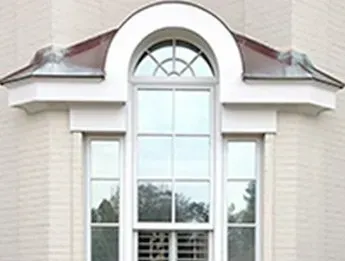
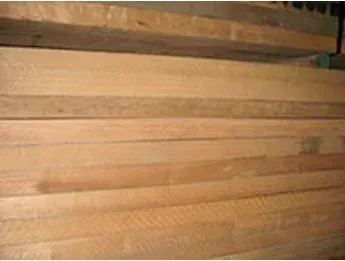
Spanish Cedar
We will get back to you as soon as possible.
Please try again later.