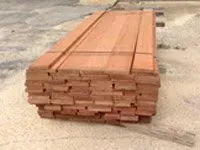
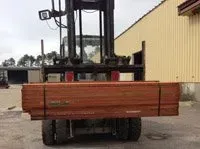
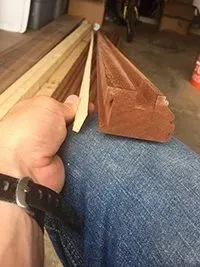
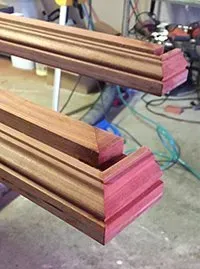
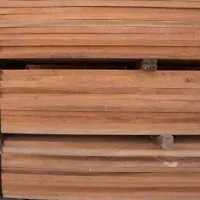
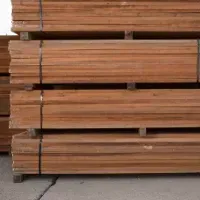
Sapele
(Entandrophragma cylindricum)
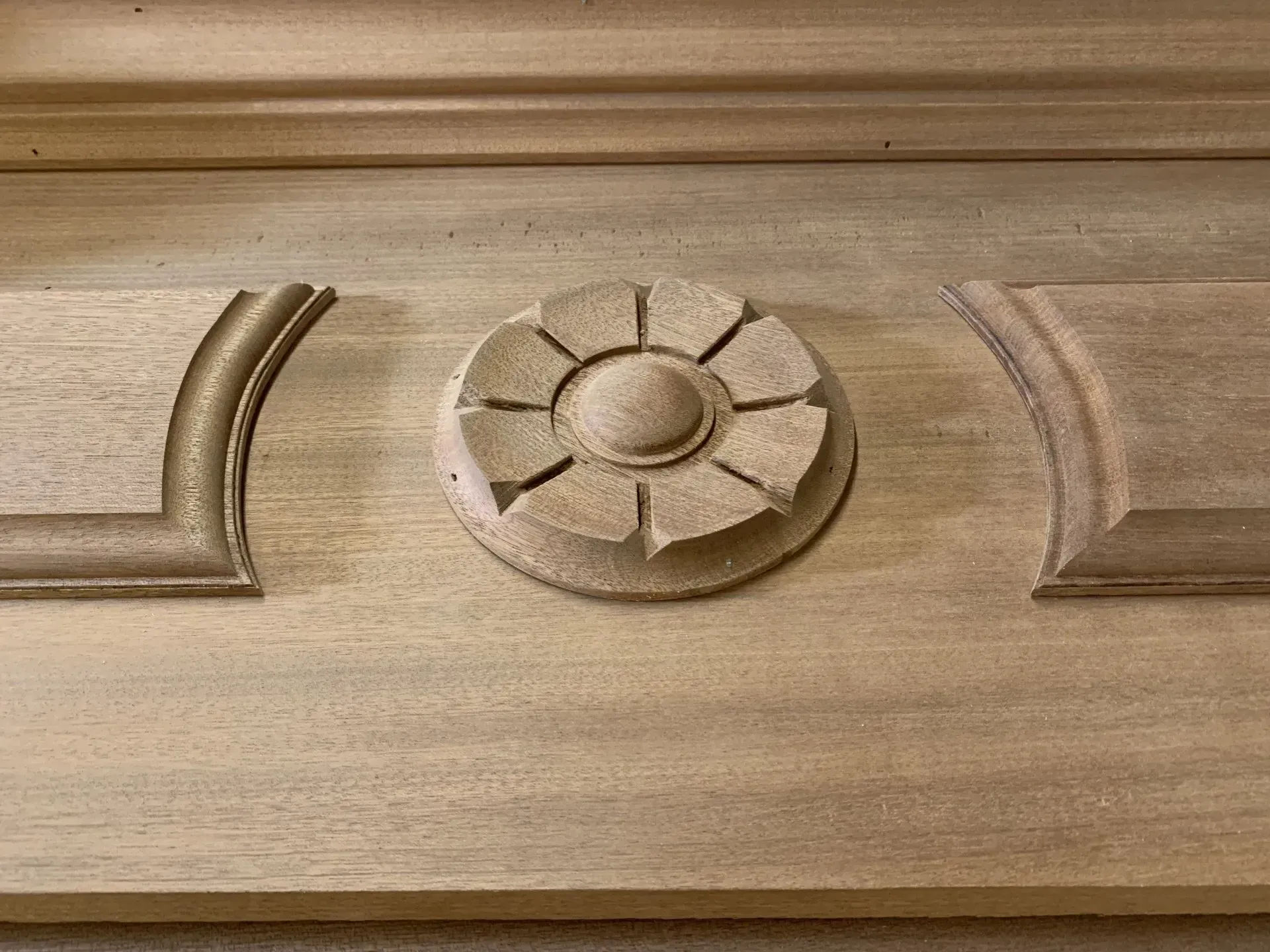
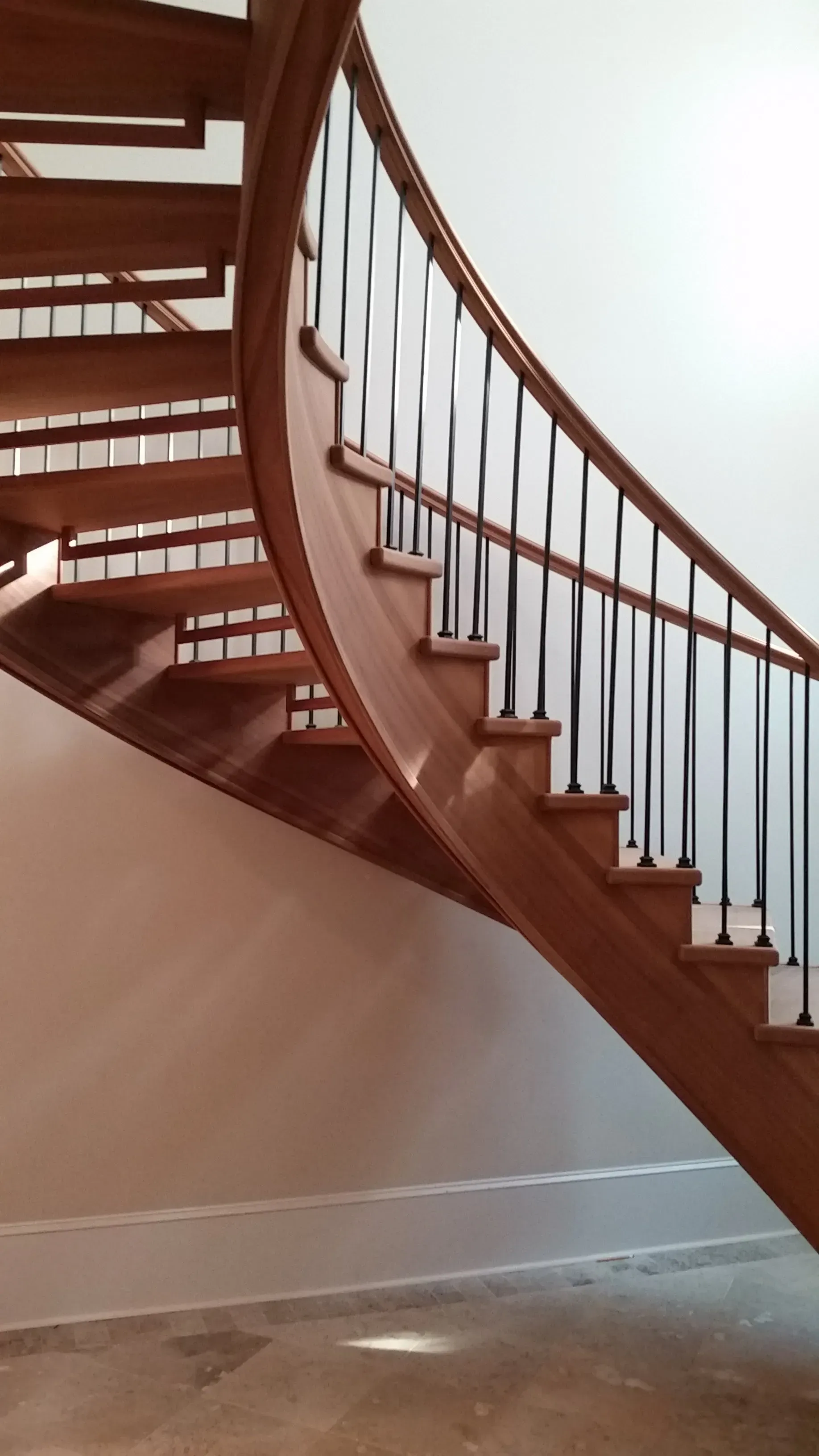
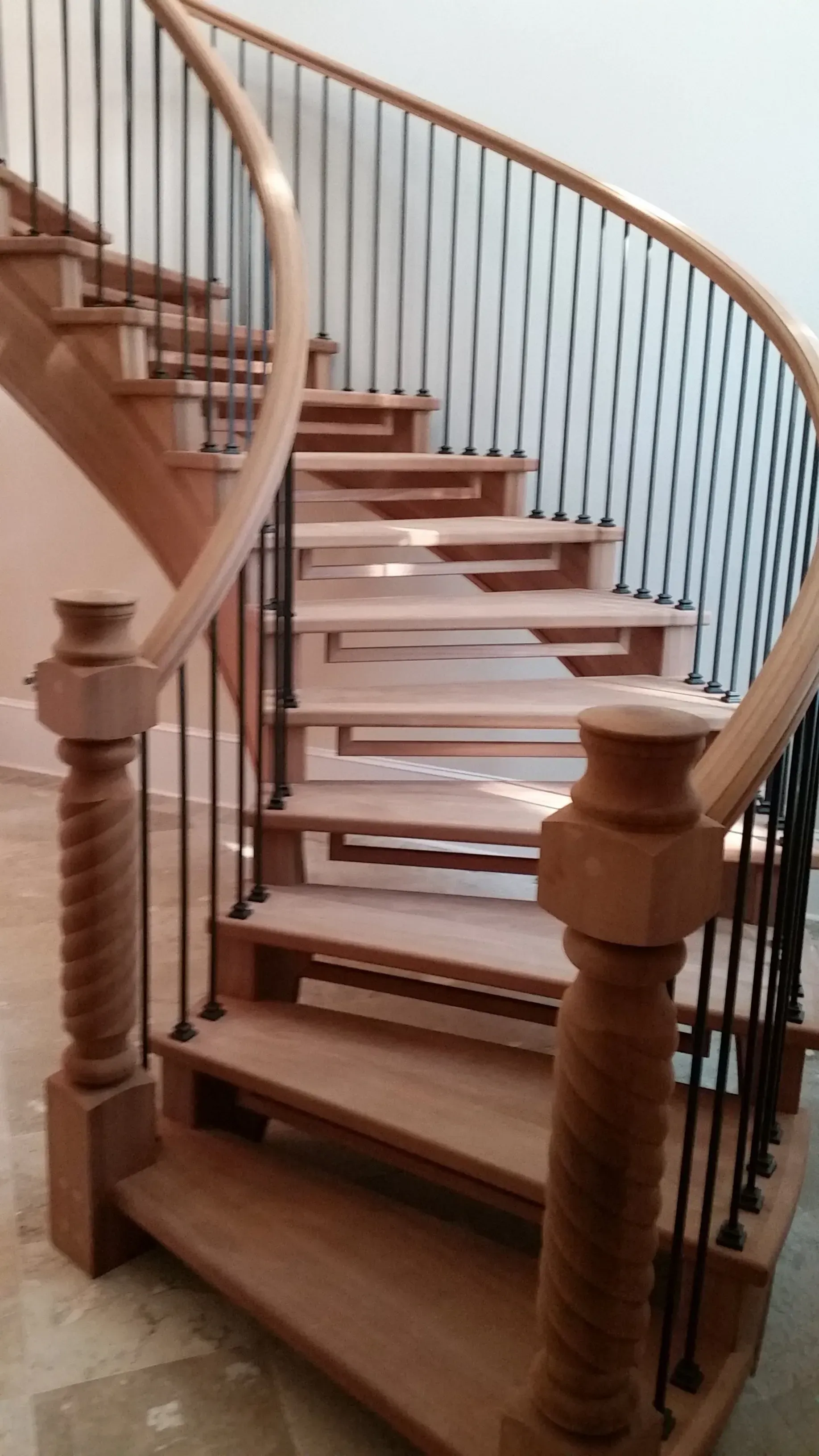
A wood that is as strong and long-lasting as it is beautiful. The distinctive cedar-like scent, without a discernible taste, combines with its innate luster to present an image of sumptuous elegance. Good gluing and nailing properties, along with satisfactory peeling and slicing, make this hardwood an ideal choice for many different applications.
- Family: Meliaceae
- Other Common Names: Aboudikro (Ivory Coast), Penkwa (Ghana), Muyovu (Uganda), Sapelli (Cameroon), Libuyu (Zaire).
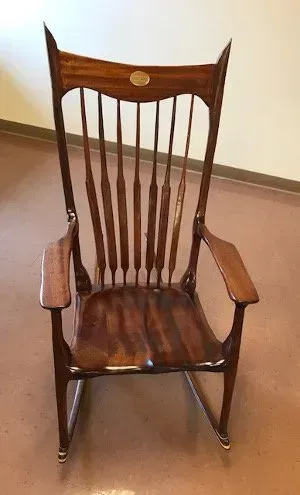
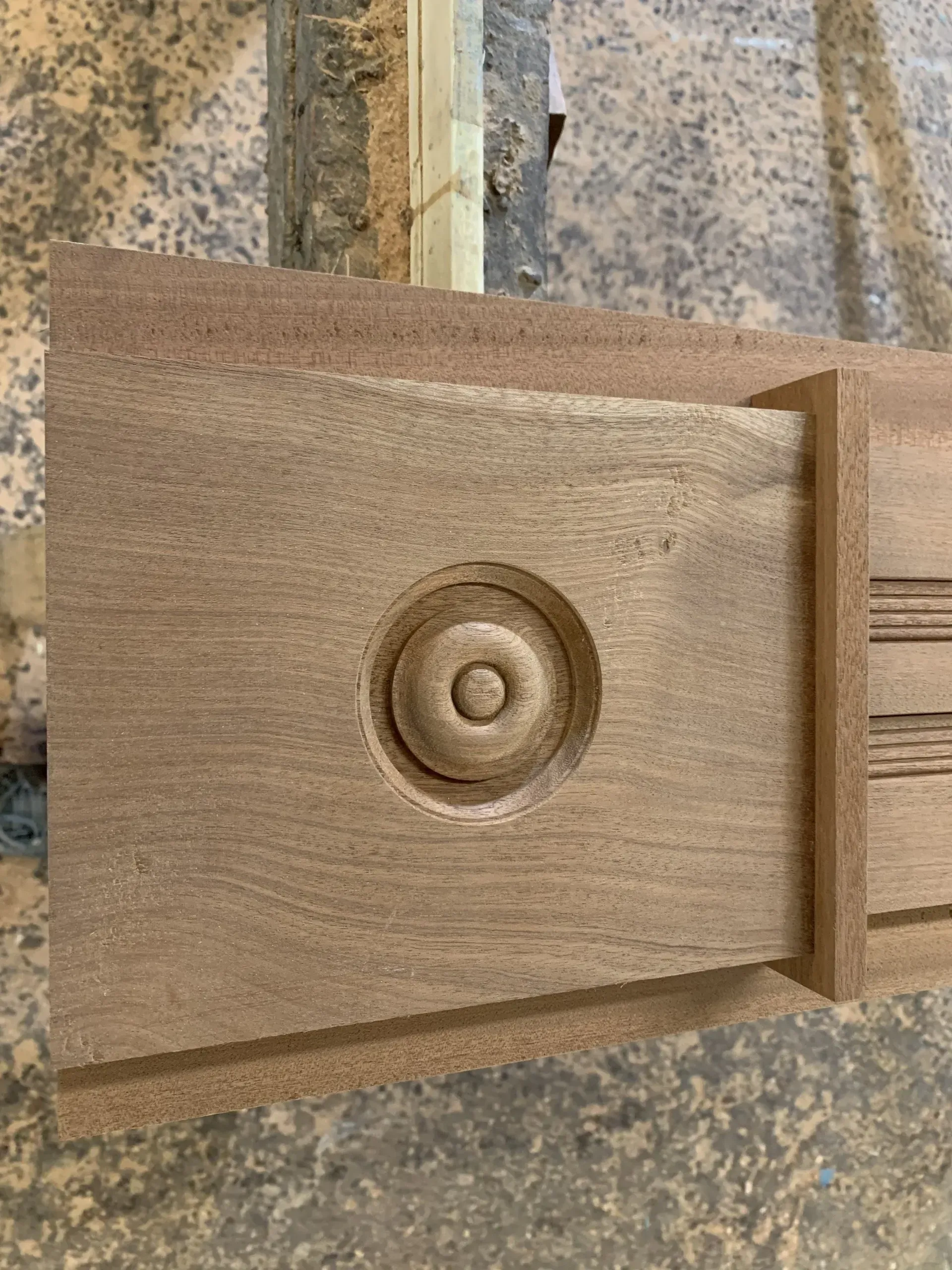
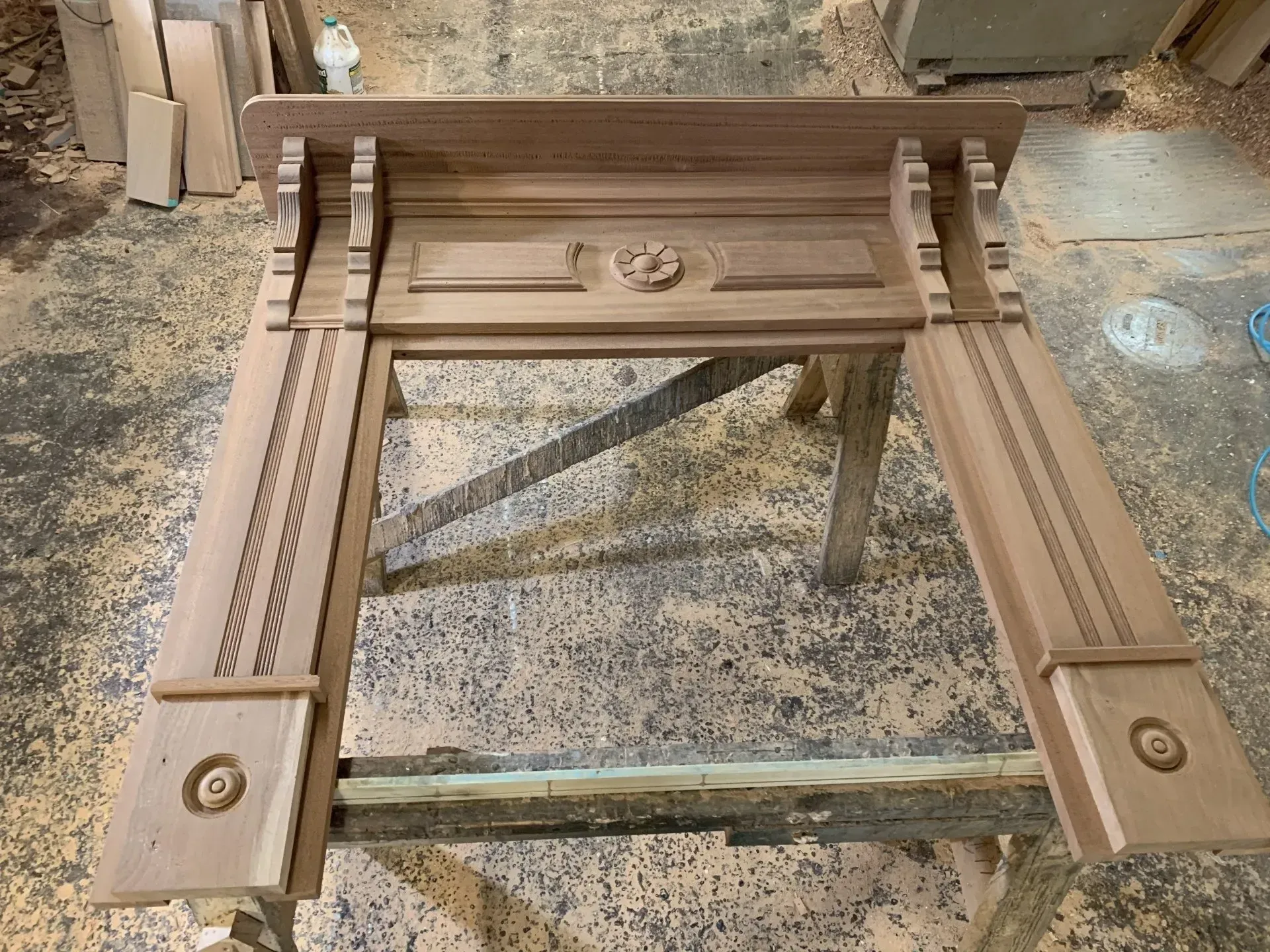
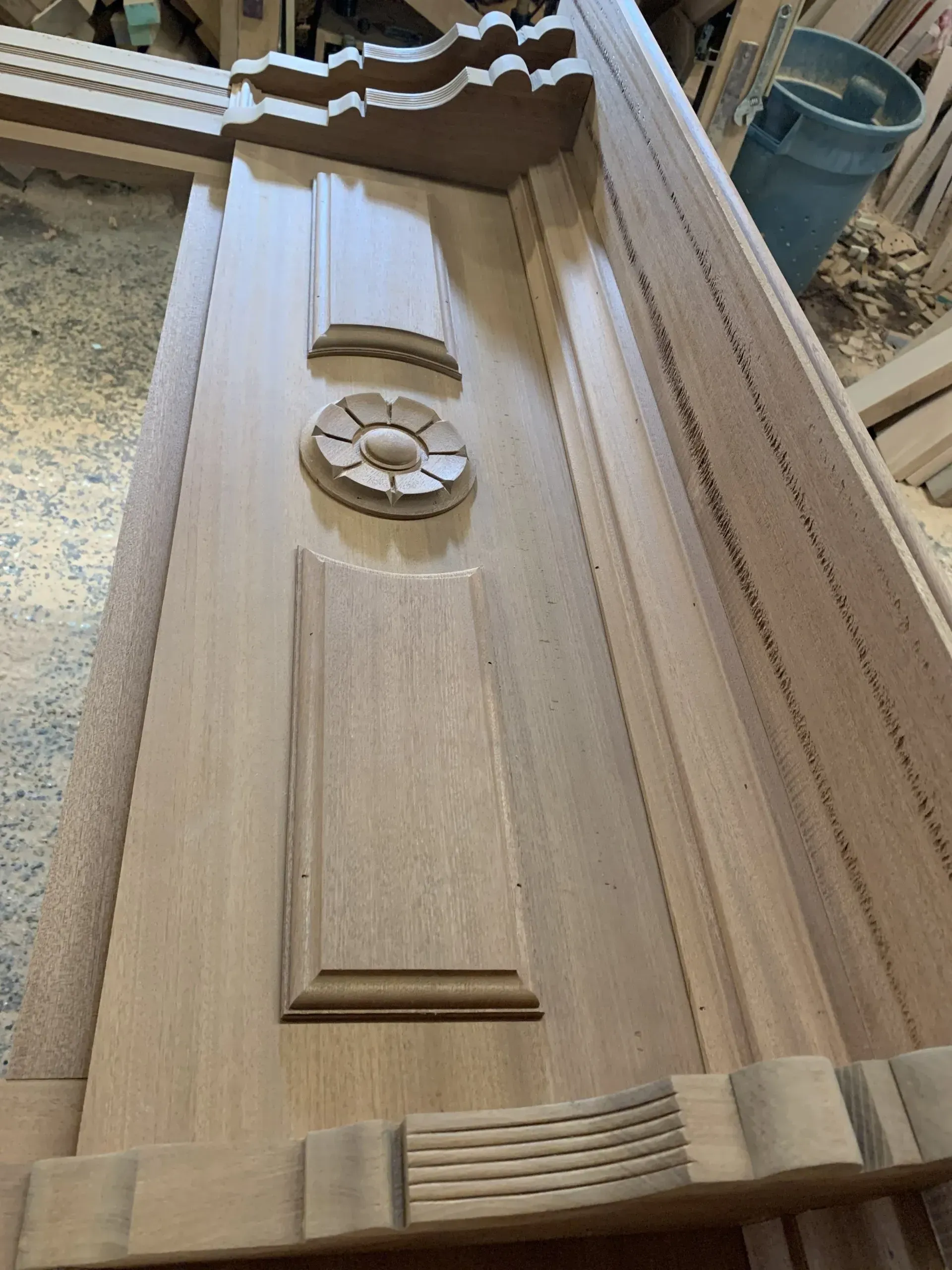
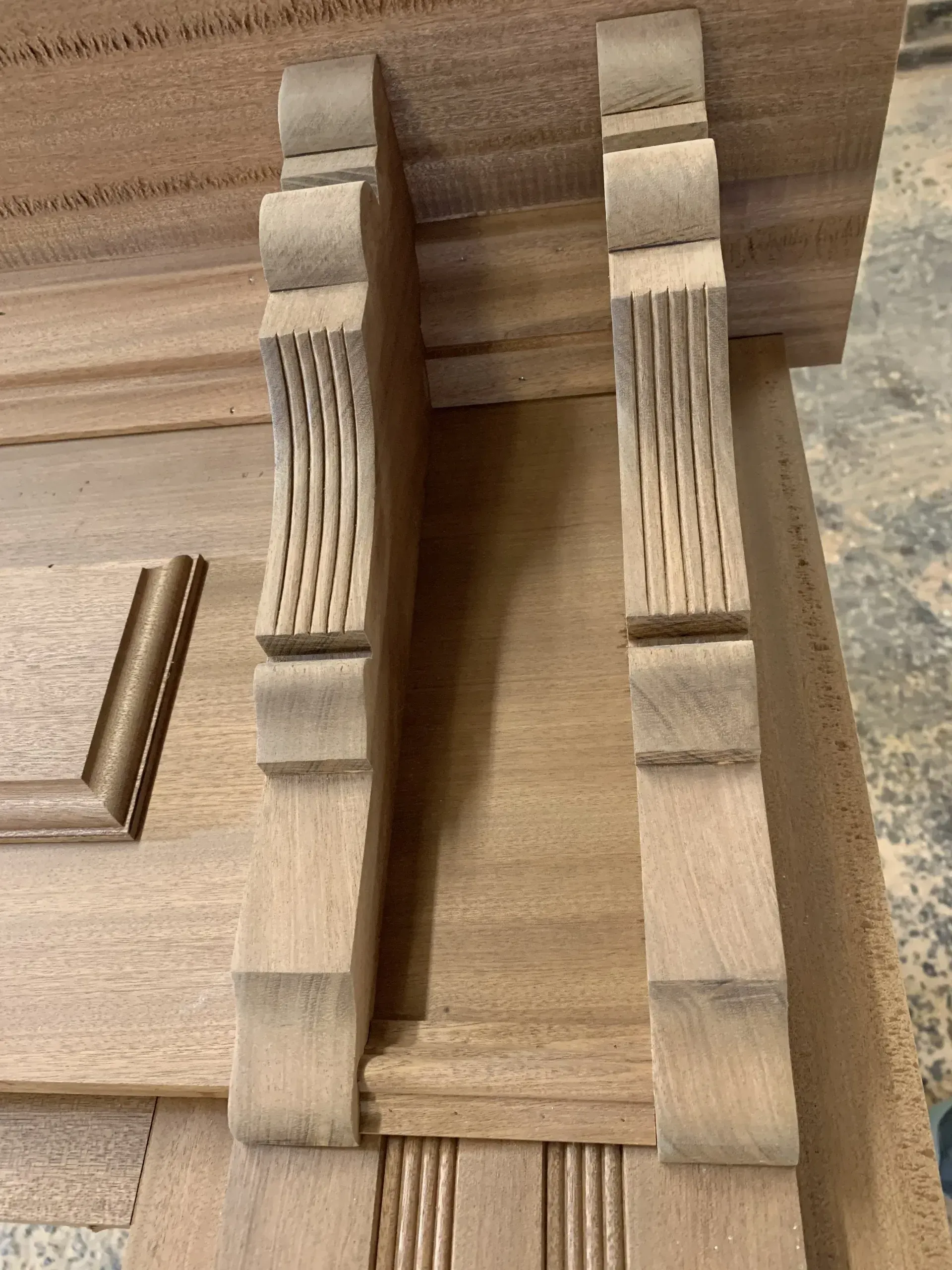
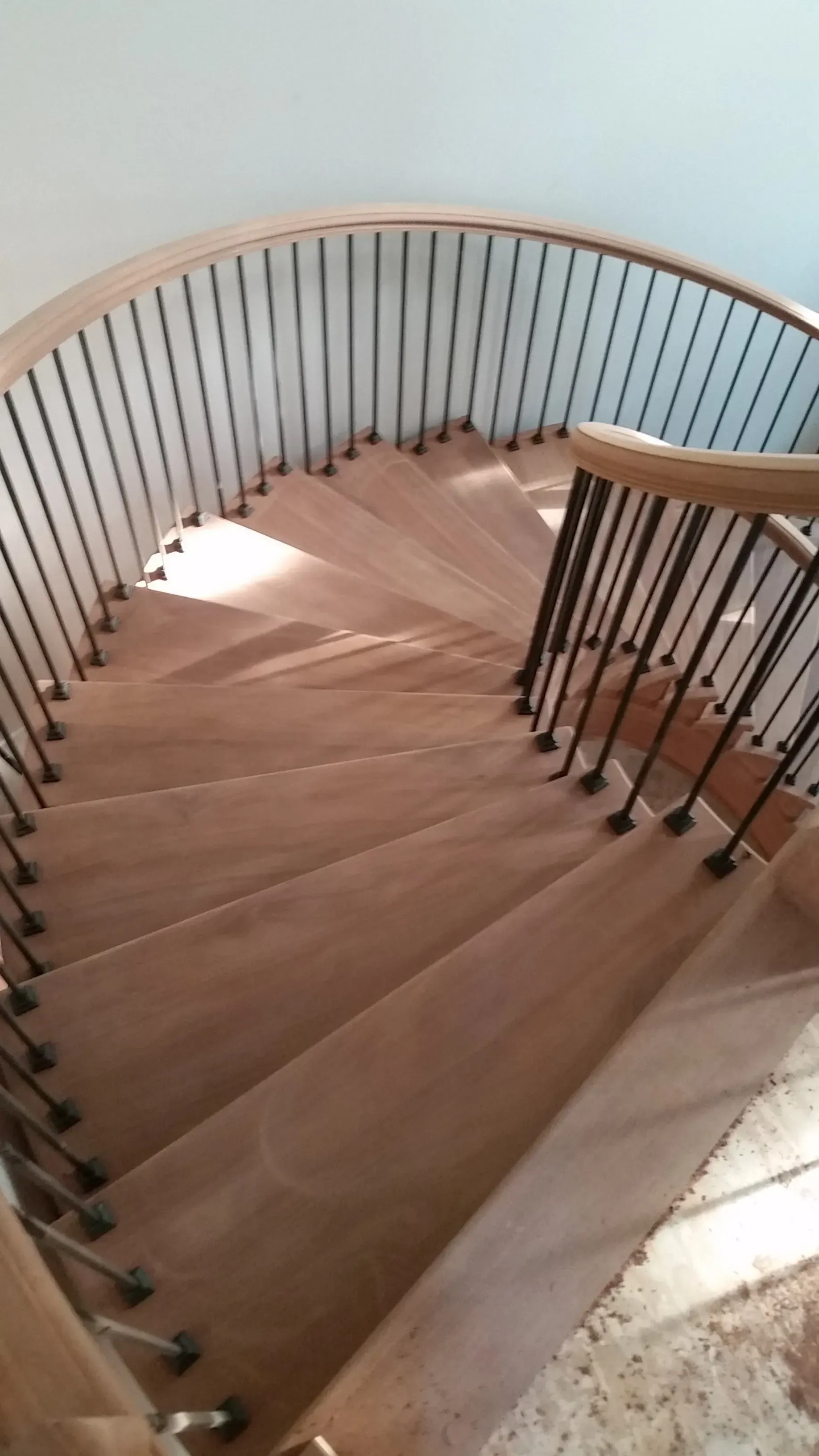
- Uses: Furniture and cabinetwork, decorative veneers, plywood, joinery, flooring, paneling.
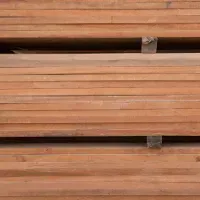
- Thicknesses: Available in 4/4, 5/4, 6/4, 8/4, 10/4, and 12/4 Air Dried and Kiln Dried.
- Grades: #1 Common, FAS, Flat Sawn, Quarter Sawn, Select and Better.
- Distribution: Ranging from the Ivory Coast to the Cameroons, and eastward through Zaire to Uganda. Occurs in evergreen, deciduous, and transitional forest formations.
- The Tree: May reach a height of 150 to 200 ft; bole straight and cylindrical 100 ft; trunk diameters to 6 ft over broad, low buttresses, sometimes not buttressed.
The Wood
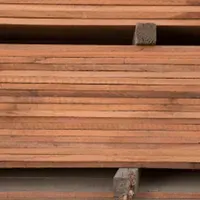
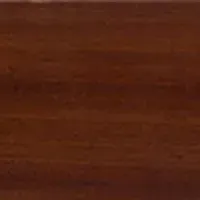
- General Characteristics: Heartwood a medium to fairly dark reddish brown or purplish brown; sapwood whitish or pale yellow, distinct. Texture rather fine; grain interlocked, sometimes wavy, production a narrow, uniform, roe figure on quartered surfaces; lustrous; without a distinctive taste, without a distinctive taste.
- Weight: Basic specific gravity (oven-dry weight / green volume) about 0.55; air-dry density 42 pcf.
- Mechanical Properties: (2-cm standard) Janka side hardness 1,020 lb for green and 1,500 lb for dry material. Amsler toughness 200 in.-lb for dry material. (2-cm specimen).
- Drying and Shrinkage: Seasons fairly rapidly but with a marked tendency to warp, very variable in drying properties, requires careful stacking. Kiln schedule T2-D4 is suggested for 4/4 stock, and T2-D3 for 8/4. Shrinkage green to oven-dry: radial 4.6%; tangential 7.4%; volumetric 14.%. Movement in service is rated as medium.
- Working Properties: Works fairly well with hand and machine tools, saws easily, finishes well, good gluing and nailing properties, satisfactory peeling and slicing.
- Durability: Heartwood is moderately durable, resistance to termite attach variable. Sapwood liable to powder-post beetle attack.
- Preservation: Heartwood resistant; sapwood moderately resistant.